Posted 21st January - 2026, by Grace Patane
Designing a generous, private home on a narrow block in Melbourne is achieved when light, circulation and privacy are solved at the architectural concept stage; and when heritage and council overlays are respected from day one. That’s precisely where a full‑service, architecturally led process—bringing architecture, interiors and construction under one roof—turns a constrained site into a calm, high‑performance home.
Narrow sites are common across established inner‑city suburbs (Fitzroy, Carlton, Richmond, Northcote and beyond). They come with tight access, strict setbacks, overlooking rules and, often, heritage constraints. Rather than treating these as obstacles, Destination Living embraces them as design drivers: we map light, plan movement, embed privacy and navigate the approvals landscape—before you invest in drawings that can’t be built.
Light Is Designed, Not Discovered
- Courtyards & light wells to pull daylight into the middle of the plan
- Voids & double‑height spaces that “stack” light through levels
- Calibrated glazing to avoid glare/heat while brightening interiors
- Interior palettes chosen with our design team to reflect or soften light appropriately
This architectural choreography of light makes narrow interiors feel spacious, legible and calm; It’s more effective (and efficient) than relying on ad‑hoc skylights later.
Circulation Without Compromise
On narrow sites, every metre matters. Wasted corridors, poorly placed stairs and fragmented rooms are the classic pitfalls that shrink a home. Our approach is to design circulation as part of the living experience:
- Short, purposeful movement paths that open to views or courtyards
- Staircases positioned as sculptural connectors, not space‑takers
- Vertical zoning separating public/retreat/service areas across levels for acoustic privacy and efficiency
The result is a home that feels larger than its footprint, with flow that supports daily life instead of fighting it.
Heritage & Council Overlays
A Constraint We Welcome
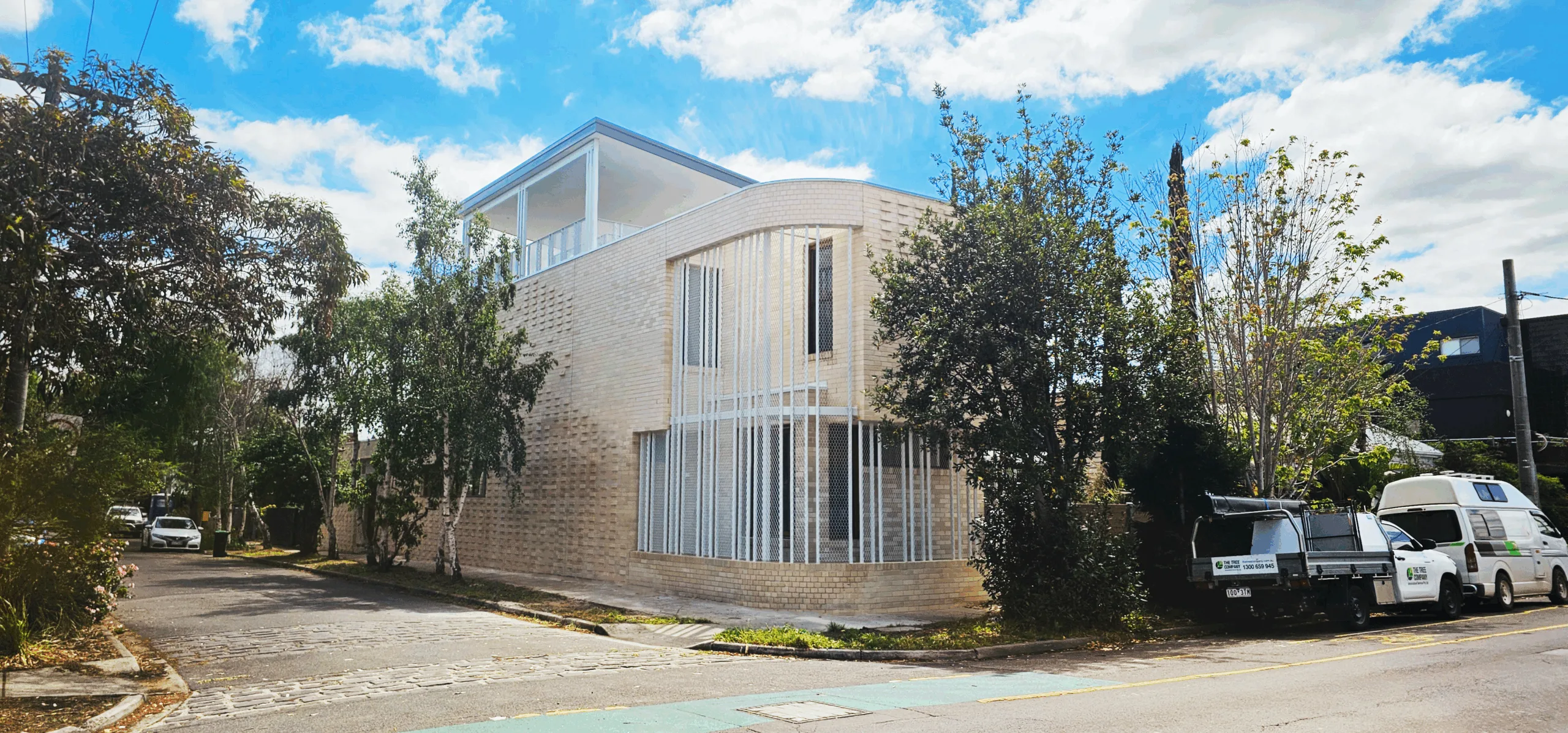
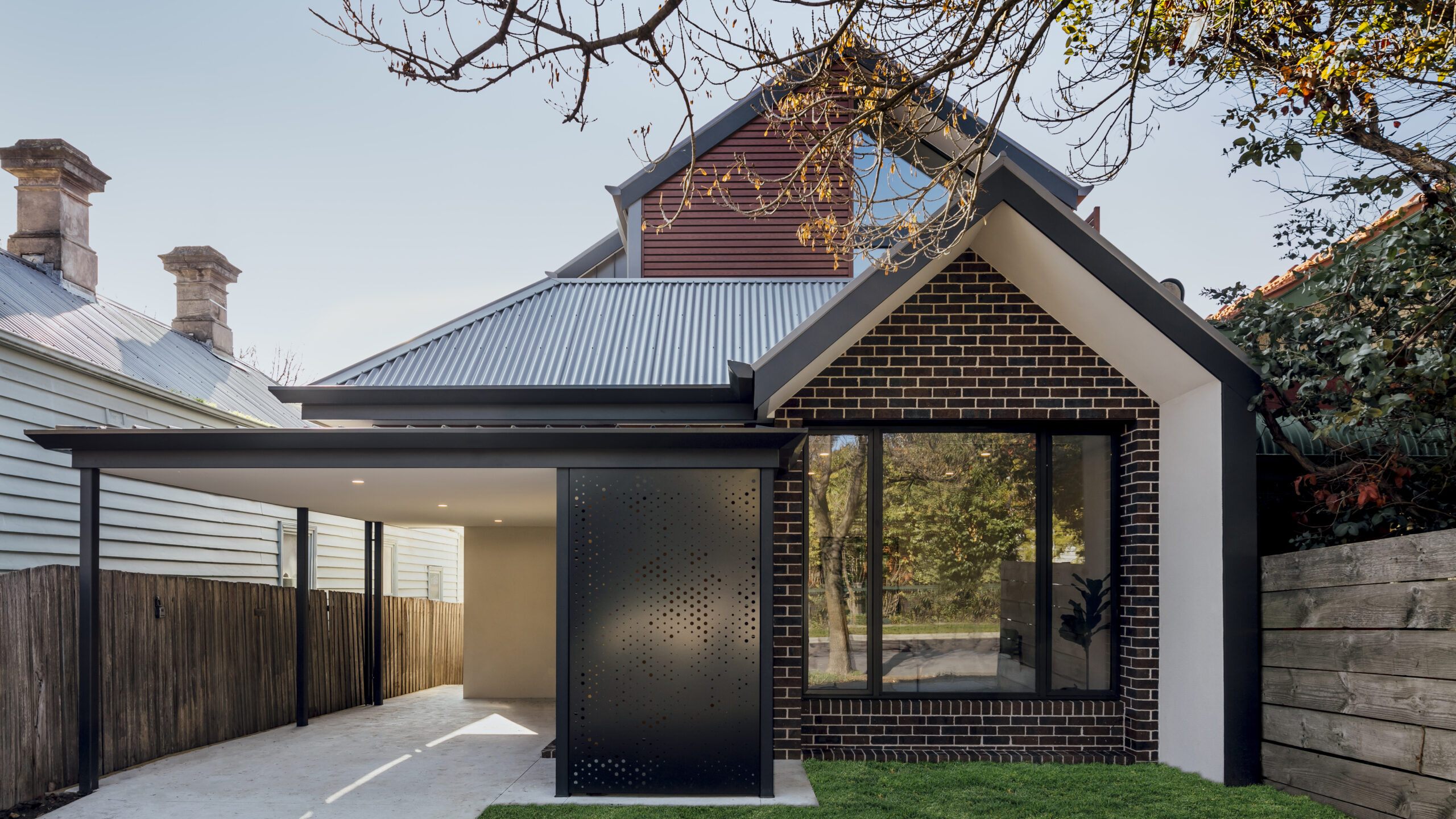
Many narrow blocks sit within heritage overlays or character areas. That brings façade expectations, height controls, overshadowing and overlooking rules. We treat these requirements as part of the brief, not a barrier:
- Early planning analysis and consultant input to understand what’s permissible
- Context‑appropriate façades and material articulation that respect the street while remaining contemporary
- Detailing for setbacks and sightlines that passes council scrutiny without sacrificing interior quality
Because architecture, interiors and construction are integrated under one method, we resolve approvals questions early and reduce the risk of rework or delays.
Privacy by Design
True privacy on narrow blocks isn’t achieved by frosting glass later. It’s embedded into the architecture:
- Window placement that captures light while avoiding direct overlooking
- Split levels, screens and courtyards used as compositional devices, not afterthoughts
- Landscape strategy that softens boundaries and filters views without blocking daylight
- Internal zoning so retreats remain quiet and protected while living areas stay open
This is how you get spaces that feel secluded yet luminous—the hallmark of a refined narrow‑block home.
Smart Planning is Better Living and Fewer Surprises
- Full‑service delivery (architecture + interiors + construction) for single accountability from brief to handover
- A building cost calculator to set realistic ranges early and guide scope
- VR visualisation to experience your home before we build—aligning expectations and streamlining approvals
This integrated model is designed for time‑poor professionals: fewer handovers, fewer unknowns, clearer costs—and a finished home that truly reflects your lifestyle and site.
TAKING ACTION
When a Narrow Block Is Ideal for Renovation vs. Knock‑Down Rebuild
We routinely assess both paths up‑front—linked to cost and approvals—to help you choose with confidence:
- Consider renovation when structure is sound, changes are moderate and heritage significance is high.
- Consider knock‑down rebuild when structural upgrades are extensive, the plan must be rethought for light/circulation, or long‑term performance (thermal/maintenance) is a priority.
How We Start
- Feasibility & planning review (overlays, setbacks, access, overshadowing)
- Light & circulation concept (courtyards/voids, stair logic, zoning)
- Privacy strategy (sightlines, level changes, landscape)
- Cost & delivery clarity (calculator range, construction input, VR)
Outcome: a concept you can visualise, cost, approve—and build.
Click HERE to learn more

Calculate the costs of building your home
Use our calculator to estimate costs for your project.
Frequently Asked Questions
Combine courtyards, light wells and voids with calibrated glazing and reflective interior palettes to draw daylight deep into the plan—vertically and horizontally.
Solve privacy at concept by controlling sightlines, employing level changes/screens/landscape, and positioning windows to capture light while avoiding direct overlooking.
Yes, by analysing overlays early, designing context‑appropriate façades and planning to meet setbacks and overlooking rules.
It depends on structure, scope and performance goals. Model both options against cost, approvals and lifestyle to choose the right path.