Posted 11th February - 2026, by Grace Patane
One of the most common questions homeowners face is whether to renovate their existing home or knock it down and rebuild.
It’s not a purely financial decision. It’s a balance of design potential, cost, risk, site constraints, and long-term value.
The right choice depends on what already exists and what you’re trying to achieve. This guide outlines when renovating makes sense, when rebuilding is the smarter option, and how to approach the decision with clarity.
When Renovating Makes Sense
1. The Scope of Work Is Controlled
If the required upgrades are moderate, renovating is often the most efficient path forward.
This typically includes:
- Kitchen or bathroom upgrades
- Internal reconfiguration
- Improving connection between spaces
- Modest extensions
When the structure largely works, renovation allows you to improve performance and functionality without the cost and disruption of starting again.
2. The Existing Home Has Architectural or Structural Value
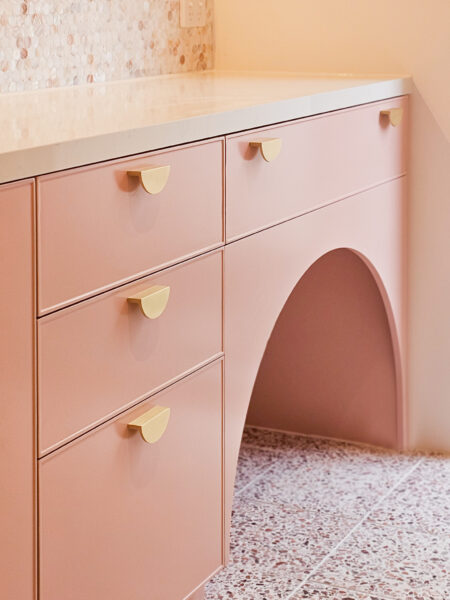
Some homes have qualities that are difficult to replace — proportion, character, craftsmanship, or solid construction.
Retaining these elements while refining the layout and upgrading services often results in a home that feels both resolved and contemporary. In these cases, renovation enhances what’s already there rather than forcing a complete reset.
3. Site Conditions Favour the Existing Structure
Planning controls and site constraints often play a decisive role.
In many situations:
- The existing dwelling sits in a favourable position on the block
- Current regulations would restrict a new build
- A rebuild would trigger additional approvals or design compromises
Renovating can allow meaningful improvement without reopening complex planning pathways.
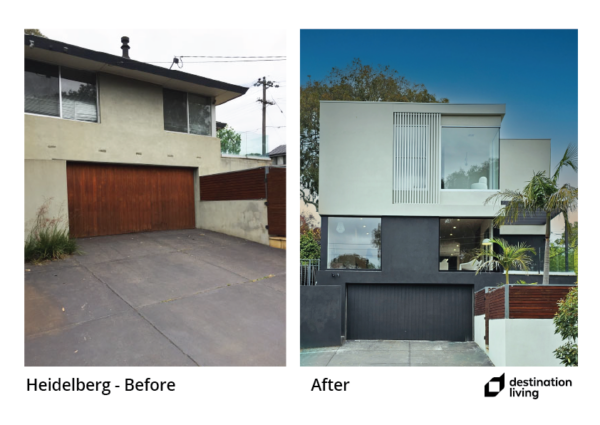
At this Heidelberg Renewal, the preservation of a Eucalyptus tree posed site limitations. The decision was made to maintain the home’s existing structure while adding to it.
4. You Want to Preserve What Already Works
Natural light, room flow, outlook, or garden connection are qualities that are often hard to recreate.
Renovation allows these strengths to be refined rather than lost — improving comfort without sacrificing what made the home appealing in the first place.
When Rebuilding Is the Smarter Choice
1. Renovation Costs Are Approaching New Build Costs
When renovation pricing begins to converge with the cost of a new home, rebuilding often offers greater value.
A new build provides:
- A fully optimised layout
- Modern construction standards
- Improved energy performance
- Lower long-term maintenance
In many cases, the additional upfront investment delivers a significantly better outcome.
If you’re having difficulty deciding which is a more viable option for you, use our building calculator here to understand which option may suit your needs more
2. The Existing Home Offers Little Intrinsic Value
If the house lacks architectural merit, has a poor layout, or suffers from structural issues, preserving it can limit what’s possible.
Rebuilding allows the site to be used efficiently, creating a home designed for modern living rather than retrofitting outdated constraints.
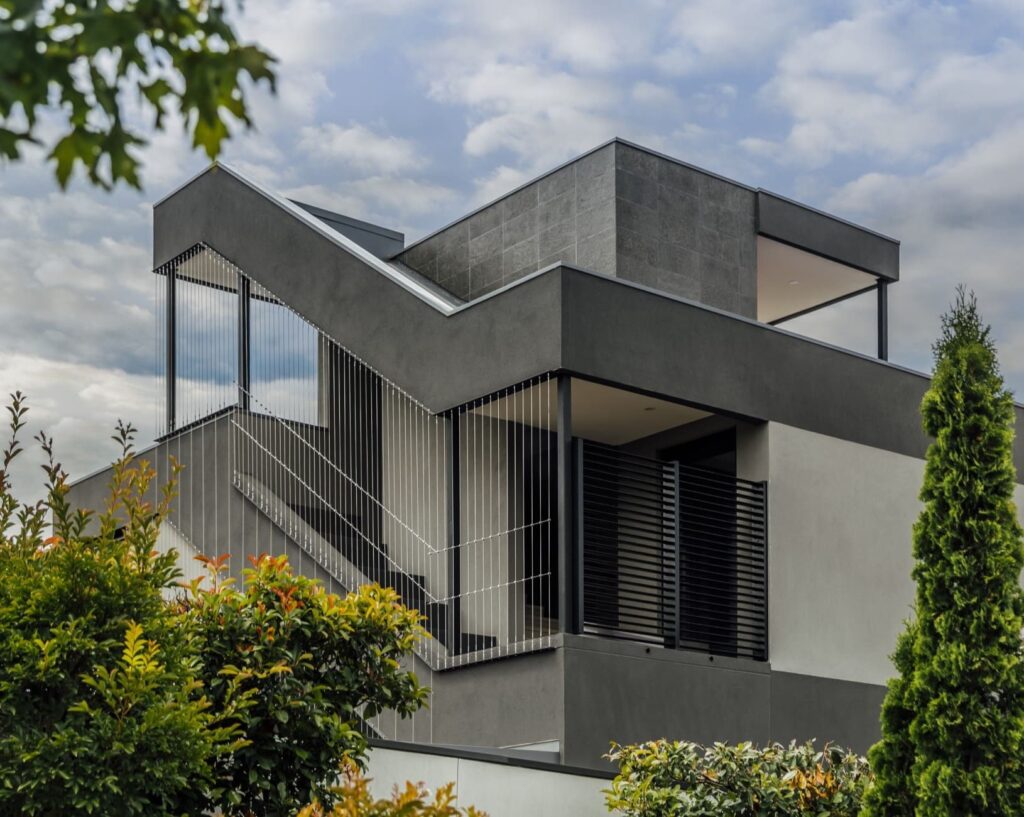
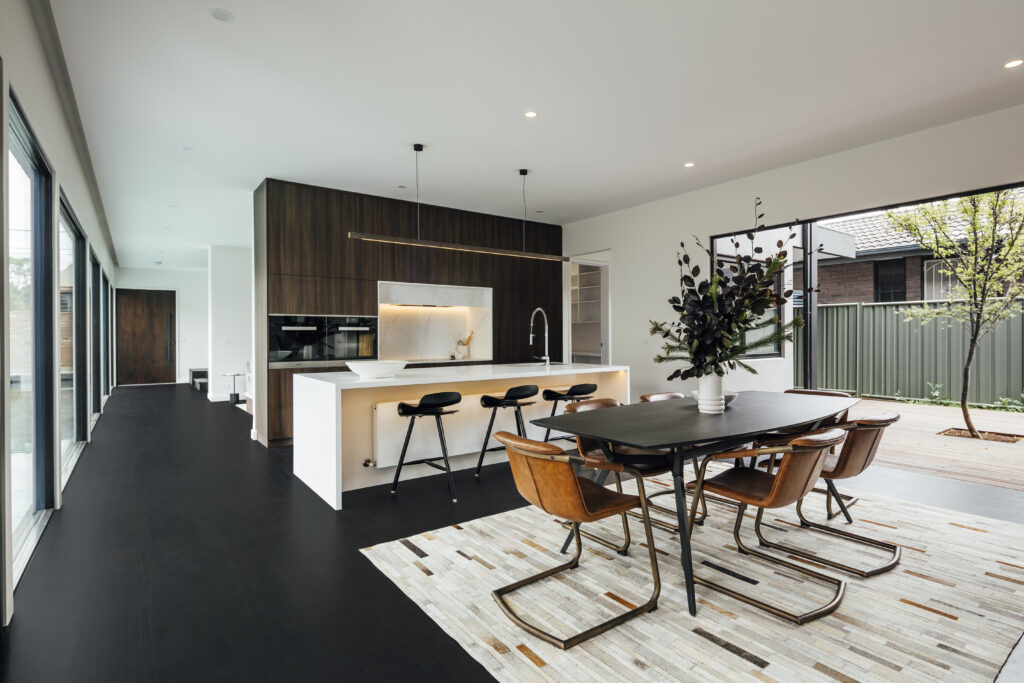
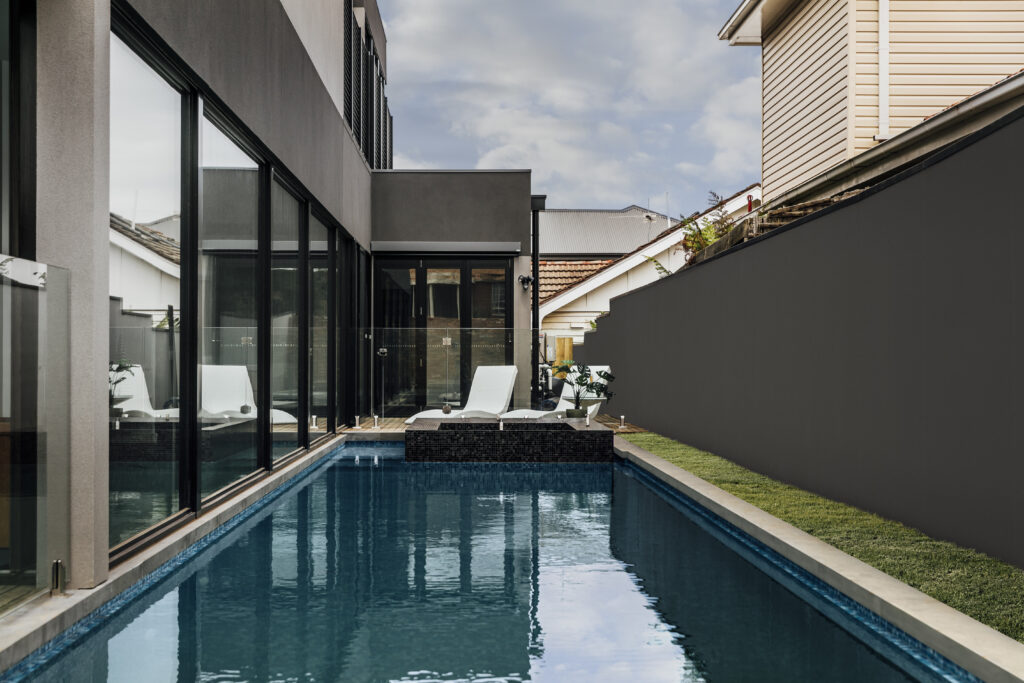
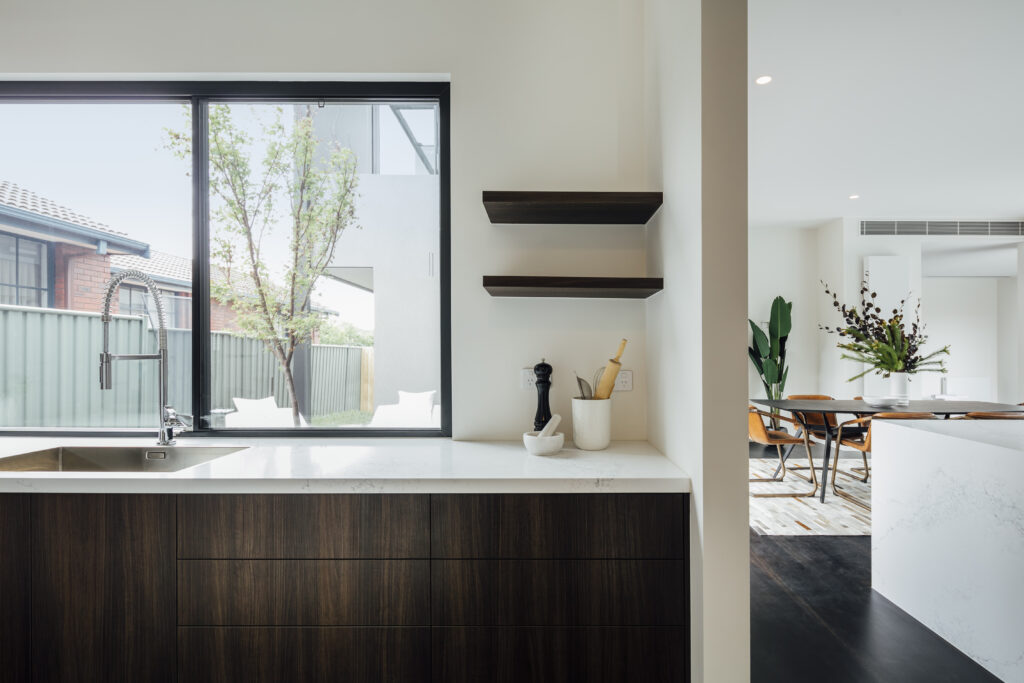
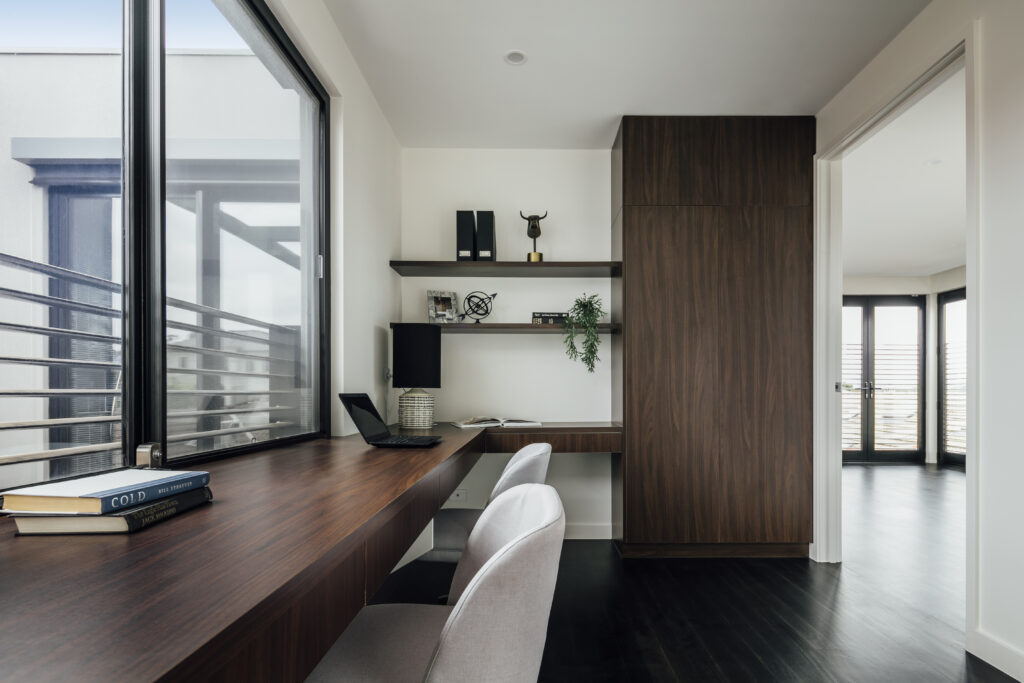
In this Aberfeldie home, we address Multi-generational living through zoned spaces with the elders housed on ground level with no steps in floor levels and a lift to facilitate easy access to the other floors. Rebuilding allows you the flexibility to design your space to exactly suit your needs; Whether that be practicality, efficiency, accessibility or aesthetics.

3. Greater Cost Certainty is a Priority
Renovations often uncover unknowns — from outdated services to structural issues — that can affect both budget and timeline.
A rebuild is generally:
- More predictable
- Easier to document and price
- Less prone to surprise costs
That certainty can be as valuable as the design outcome itself.
4. Rebuilding Can Be More Time Efficient
While it may appear more involved, a new build often follows a clearer, more linear process than a largescale renovation.
Fewer unknowns can mean fewer delays.
Want to learn more about the process and timeline?
Talk to an expert here
How to Make the Right Decision
The decision becomes clearer when you step back and assess:
- Your goals: Space, functionality, comfort, or resale value
- Your budget: Flexibility versus certainty
- Your site: What constraints or advantages already exist
- Your tolerance for risk: Unknowns versus control
- Longterm performance: Maintenance, efficiency, durability
There’s no universal answer — only the one that best aligns with your priorities.
There’s no single answer to whether you should renovate or rebuild.
However, the right choice usually becomes clear when you compare:
- Cost versus outcome
- The value of what already exists
- Planning and site constraints
- Risk and predictability
- Longterm performance
Renovation suits homes with strong foundations and controlled scope.
Rebuilding makes sense when costs converge, certainty matters, or the existing home limits what’s possible.
A clear decision upfront leads to a far better result later.

Calculate the costs of building your home
Use our calculator to estimate costs for your project.
Frequently Asked Questions
It depends on scope. Small to moderate renovations are usually cheaper. Once renovation costs approach the price of a new build, rebuilding often delivers better long-term value.
Homes with solid structure, good proportions, or architectural character are often worth retaining. Poor layout, structural issues, or lack of intrinsic value can make rebuilding the better option.
Generally, yes. Renovations carry more unknowns, which can affect both cost and timeline. New builds tend to be more predictable.
It’s best to seek professional advice early. A clear feasibility assessment can quickly highlight which option makes the most sense.
Often, but not always. A well-designed renovation that preserves desirable features can perform just as strongly as a rebuild.